Pharmaceutical Building Enclosure Forensic Services
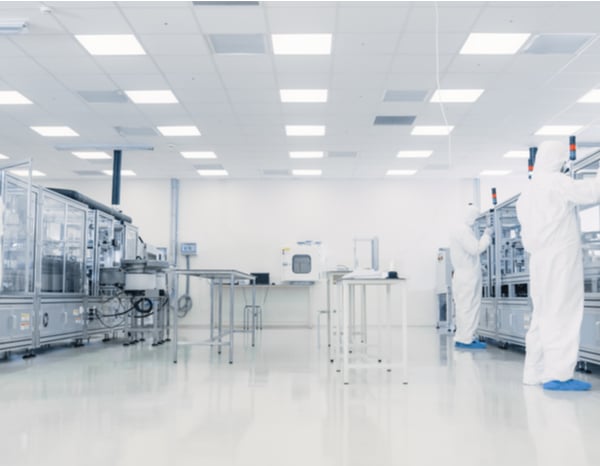
When water leakage or other issues arise in any kind of pharmaceutical facility (whether that’s manufacturing, testing and research labs or cleanrooms), efficient problem resolution is critical. You’re working in a sensitive, sterile environment where the presence of water and condensation poses a huge threat to the facility’s performance and production.
Request a Consultation
When your facility maintenance team is unable to get to the root cause of a problem, Technical Assurance steps in with a proven process for building enclosure forensic investigation.
Our goals are to:
1. Find the cause
2. Prove the cause
3. Propose a solution
4. Provide quality assurance for projects
Forensic Testing for Efficient Problem Resolution
Whether the issue is a roof leak, wall leak, condensation issue, etc., it is vital to immediately find the cause. Our subject matter experts carry out an extensive investigation and testing process paired with interviews of your maintenance team and collection of historical data.
All this information put together will tell a clear picture of the cause of the issue, how to fix it and what next steps should be taken for problem resolution.
Forensic services include:
- Interior Leak Assessment(s)
- Air and Water Penetration Investigation
- Thermal Diagnostics
- Facade Cladding Failure Investigations
- Roofing and Flashing Analysis
- Material Defect Analysis
Common testing methods include:
- Visual Assessment – Used to determine what methods of testing/forensics may or may not be needed.
- The Spray Test – Designed to simulate rain conditions to recreate a leak, working from the lowest point of the building to the highest.
- Impedance Testing – Utilization of non-destructive equipment to detect latent moisture within a wall/roof assembly.
- Infrared Testing – A series of thermographic scans to find water within the roof system or facade.
- Air Leakage Test – Utilizing theatrical smoke from smoker pencil or fog machine to track air movement or loss through air barriers.
- Bell Chamber Test – Designed to test the strength and stability of membrane roof systems against strong winds.
- Destructive Testing – Disassembly and/or removal of portions of the building envelope or detail conditions to better examine as-built conditions. Also used to confirm conditions that may be suspect during other testing methods.
Preview a full list of our performance testing capabilities related to air infiltration, thermal performance, water penetration and durability in our Statement of Qualifications.
Download Statement of Qualification
Forensic Leak Investigation and Roof Replacement at the Wolstein Research Building
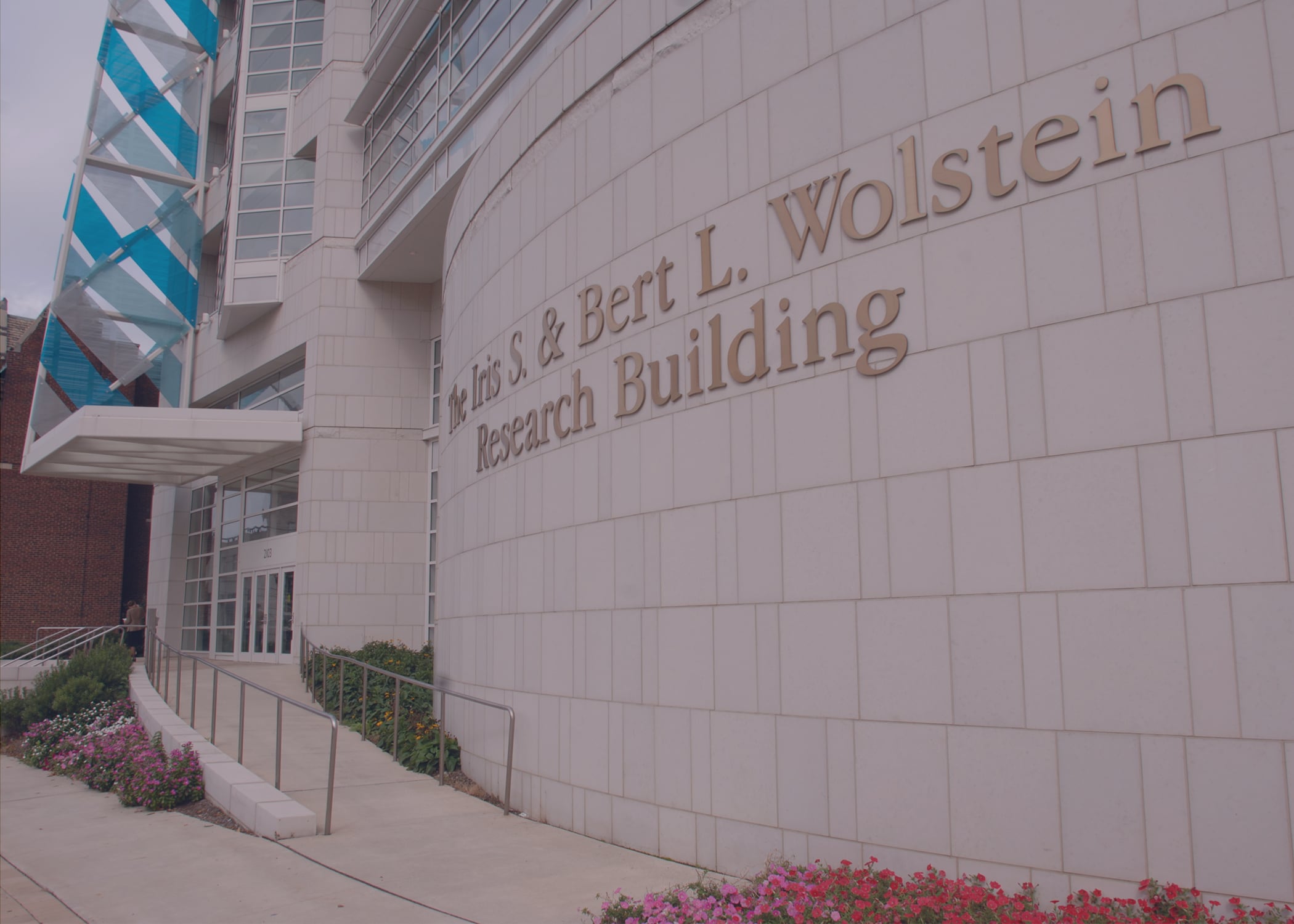
The Wolstein Research Building is an eight-story postmodern structure at Case Western Reserve University (CWRU) that shares research space with University Hospital. Eight (8) years after construction completed, Technical Assurance was called to provide forensic investigation on the roof leaks.
Due to the sensitive nature of the work and the requirements to maintain a white-suit clean lab, the leaks needed to stop. We performed an initial investigation that led to a roof replacement project for which we provided design, project management and quality observation services.
Solve Issues Now, Avoid Them in the Future
Our unique Five Steps to Sustainability process ensures thorough, superior results throughout all stages of the assessment, design and management of projects and ongoing programs.
Beyond forensics and problem solving, Technical Assurance can provide you with an ongoing maintenance plan to avoid larger issues in the future. As we’re collecting data on the current state of the facility, we can compile that and leverage it to make a case for repairs or a replacement project and put together a comprehensive budget plan that you can take to your financial team.

Step 1:
Discover
The Discover phase includes the evaluation, testing, exploration, excavation and observation of existing building enclosures to develop an accurate condition assessment and inventory of your building systems.This step frequently includes forensic investigation to determine the root of facility problems.

Step 2:
Plan
The Plan phase moves into the analysis of discovery data in order to determine the most effective way to move forward with problem resolution.

Step 3:
Solve
The next step is to solve the problems uncovered by designing solutions, creating design plans and bidding the work that needs done.

Step 4:
Manage
We then provide project management and quality observation throughout the repair, remediation and/or replacement projects to ensure that construction work being performed is in accordance with our design documents.

Step 5:
Sustain
To avoid costly repairs in the future, we can put together a comprehensive preventative maintenance (PM) plan to keep you on track with regular assessments and repairs.